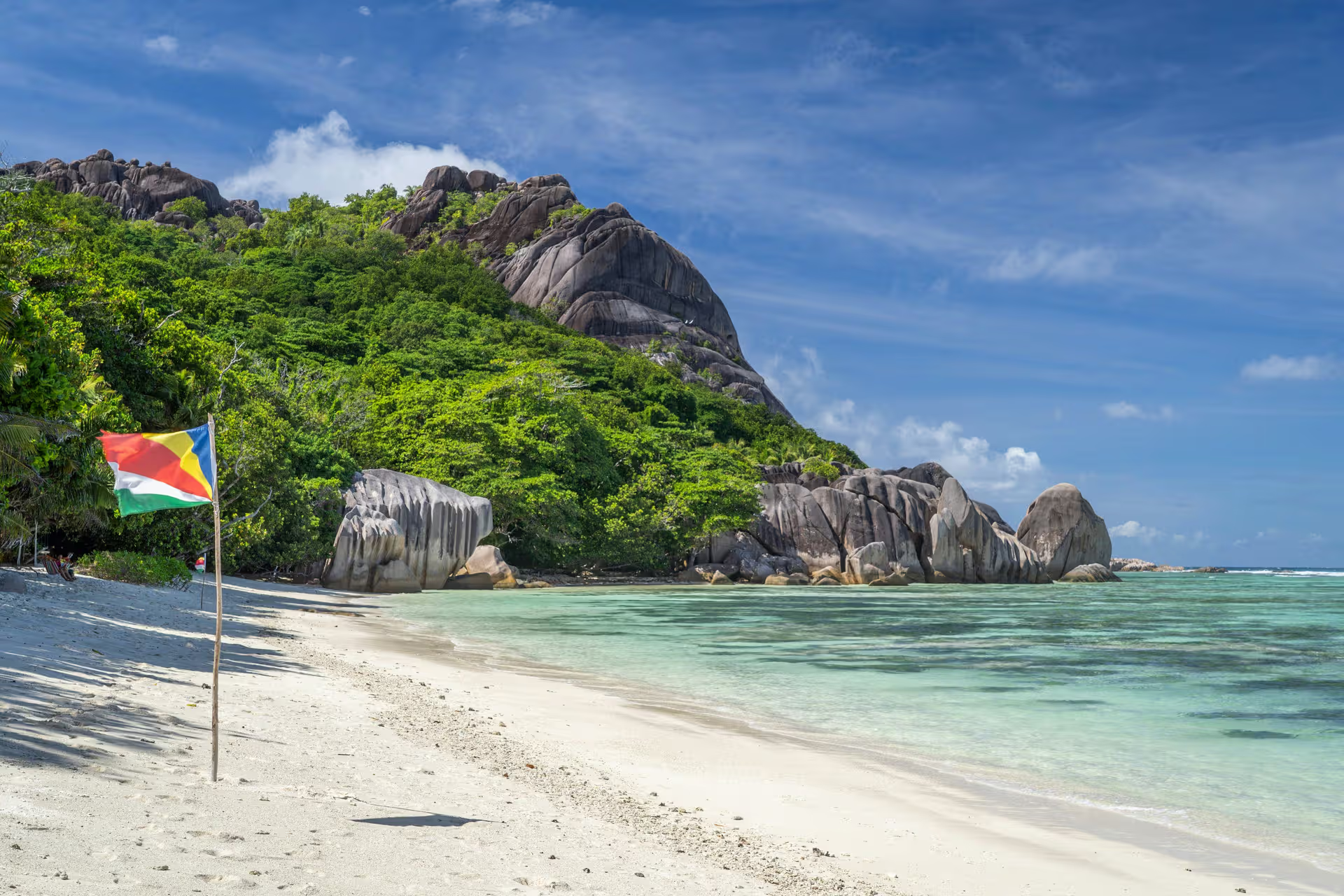
There is no specific period of time when you shouldn’t visit the Seychelles. However, it is still helpful to understand the behaviour of tropical climates and how it affects the islands. The Seychelles is prone to southeast and northwest trade winds, cyclones and monsoons. And although that may be dispiriting, these natural occurrences are rarely dangerous. Where you’re looking to stay, how much you’re willing to spend, and what you’re most interested in doing, will ultimately affect when you should visit Seychelles.
Throughout the year, the climate varies between 24°C to 32°C and rarely exceeds temperatures far beyond that. The evening also remains at an average temperature of 25°C, so you won’t have any difficulty sleeping. Your accommodation is also likely to cater to tourists with fans and air-conditioning for the warmer evenings.
Inviting summer
Summer begins around March and lasts until August. This is the driest period of the year and the southeast trade winds bring with it a cooler breeze. These tropical islands benefit from consistently warm water, with an average temperature of 29°C and water visibility that is as clear as day.
The winds do become quite strong which can make the seas rough and unsafe to swim in. If you’re looking to spend most of your time on the beach, you are still more than able to do so. However, a monsoon during this time can be expected to sweep the shores of the main islands with seaweed due to the strong ocean currents. You may then miss out on the pristine beaches as we know them.
Additionally, if you’re planning on spending most of your trip taking part in water-based activities, the late summer would be prime time for surfing, sailing and kitesurfing.
It’s important to know that tropical conditions across the archipelago will differ from island to island. Once you’ve decided which island(s) you’d like to visit and what you would like to do once you arrive, consider the weather specific to your travel destinations.
Warm and wet winter
If you prefer the heat, but don’t mind frequent rainfall, then you’ll be happy to visit the Seychelles in winter. From September to February, tourists enjoy higher temperatures and humidity. However, December and January experience the most rainfall of the year. Despite the showers, you’ll be happy to know that they last only for short periods of time and are unlikely to ruin your holiday experience.
This season isn’t very different from a Seychelles summer. Temperatures remain hot and the water is still more than enjoyable. Due to the northwest trade winds, the winds are a lot calmer than during summer, which means water-based activities are a perfect way to spend your days on the beach.
Tourists flock to the Seychelles mostly in January, July, August, and December. If you prefer to travel while avoiding the crowds, you will want to work around these months. It is highly suggested that you book your trip during the shoulder periods of the changing seasons, being April, May, October, and November. That way, you can evade peak travel prices and expensive accommodation. Should your main concern revolve around travelling the Seychelles on a budget, the best time to visit would be in October and November.
What to pack on your trip to the Seychelles
It’s almost time to leave, and now you need to make sure you’re fully prepared for your tropical getaway. There is always something we leave behind, however, with this detailed list of things to pack on your trip, you won’t miss a thing. Packing for a holiday differs from person to person. Depending on the activities you’re planning to take part in, you’ll need specific clothing items and accessories to make sure you’re comfortable even though you’re far away from home.
While you don’t want to over pack, you still want to make sure you have everything you need. From carry-on luggage to accessories and other odds and ends, we have you completely covered.